
 English
 Spanish
 French
 German
 Italian
 Chinese (Simplified)
 Japanese
 Korean
 Arabic
 Portuguese


 Send Inquiry
Medium Accuracy Class Weights
Price 10000 INR/ Unit
Medium Accuracy Class Weights Specification
- Diameter
- Varies with weight denomination; refer to size chart
- Application Media
- For calibration and testing of weighing instruments
- Temperature Range
- Usage at ambient laboratory temperature
- Measurement Range
- From 1 mg to 50 kg (varies by set or selection)
- Equipment Type
- Medium Accuracy Class Weights
- Capacity
- Available in multiple denominations (individual or set)
- Protection
- Supplied in protective storage box/case
- Material
- Stainless Steel
- Product Type
- Measurig Weight
- Accuracy
- Medium Accuracy (Class M1, M2, M3 as per OIML R111)
- Range
- Nominal value as marked (various options available)
- Markings
- Clearly marked denomination value
- Shape
- Cylindrical or Hexagonal (varies with size and denomination)
- Usage
- For legal metrology, laboratory, and industrial calibration purposes
- Finish
- Polished or painted surface (as per model/denomination)
- Corrosion Resistance
- Corrosion resistant coating provided
- Carrying Case
- Wooden or plastic box (as per order)
Medium Accuracy Class Weights Trade Information
- Minimum Order Quantity
- 1 , , Unit
- Supply Ability
- 10 Units Per Month
- Delivery Time
- 2-3 Week
Medium Accuracy Class Weights About
Medium Accuracy Class Weights
Specifications:
Stainless steel material finish
Available in density of 7.90kg/dm3 and magnetic susceptibility of <0.5
Available with cavity for adjustment
Can be made available in flake and cylinder shape options
Mirror polish smooth construction finish
Available in class of F1
Sturdy Construction and Versatile Design
Manufactured from premium stainless steel, these weights ensure resistance to corrosion and durability over time. Their thoughtfully designed shapes, cylindrical or hexagonal depending on denomination, make them suitable for practical handling in various laboratory and industrial contexts, maintaining accuracy and ease of use.
Precision Markings and Reliable Storage
Each weight features laser-engraved denomination markings, ensuring traceability and clarity for users. For enhanced protection and longevity, weights are supplied in orderly wooden or plastic carrying cases, as per the customer's order, making storage and transportation convenient and safe.
Ideal for Calibration and Legal Metrology
With accuracy classified under M1, M2, or M3 per OIML R111, these weights cater to diverse calibration and verification needs. They are suited for use in calibration laboratories, legal metrology offices, and industrial environments where precise measurement is critical, supporting best practices in weighing instrument verification.
FAQ's of Medium Accuracy Class Weights:
Q: How are Medium Accuracy Class Weights typically used in laboratories or industry?
A: These weights are primarily employed to calibrate and verify the accuracy of weighing instruments, ensuring reliable performance in laboratories, legal metrology offices, and various industrial sectors. Their use guarantees compliance with measurement standards and enhances the precision of weighing processes.Q: What benefits do the corrosion-resistant coatings provide for these weights?
A: The corrosion-resistant coating protects the stainless steel weights from environmental factors such as moisture and chemicals, extending their lifespan and maintaining measurement consistency over time, especially in demanding industrial or laboratory environments.Q: When should one select a cylindrical or hexagonal weight?
A: The choice between cylindrical and hexagonal shapes depends on the denomination and size required. Larger denominations might be hexagonal for better handling, while smaller ones tend to be cylindrical for compactness and precision. The shape ensures practical usability and identification according to the size chart.Q: Where can these weights be sourced or supplied in India?
A: These weights are available across India through authorized dealers, distributors, manufacturers, exporters, importers, and retailers. Orders can also be placed with suppliers, traders, and wholesalers to meet specific calibration or legal metrology requirements.Q: What is the process for selecting the right set or denomination of these weights?
A: Selection depends on the required measurement range, accuracy class (M1, M2, M3), and application. Users should refer to the size chart and nominal values to choose individual weights or complete sets that suit their precise calibration or testing needs.Q: How are the weights protected during transportation and storage?
A: Each weight is provided in a protective carrying case-either wooden or plastic based on order preferences-which shields the items from damage, dust, and corrosion, ensuring they remain accurate and ready for use.Q: What is the main benefit of using these stainless steel weights for calibration?
A: The main advantage is reliable, repeatable accuracy in weighing instruments, supported by durable corrosion resistance, clear denomination markings, and versatile options for various calibration and legal metrology applications.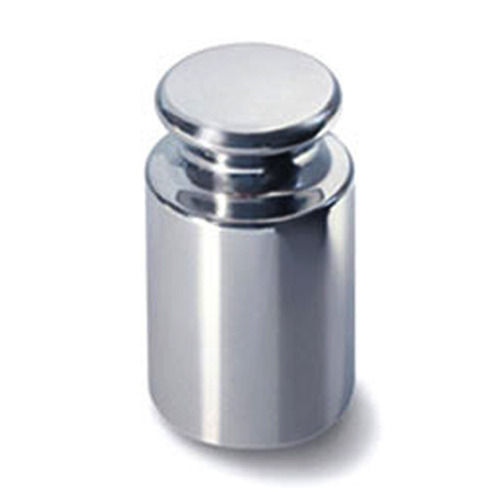

Price:
- 50
- 100
- 200
- 250
- 500
- 1000+

More Products in Measuring Weights Category
Newton Weights
Price 15000 INR / Unit
Minimum Order Quantity : 1 Unit
Measurement Range : 0500 N
Capacity : 500 N
Range : 0500 Newton
Humidity % : 85%
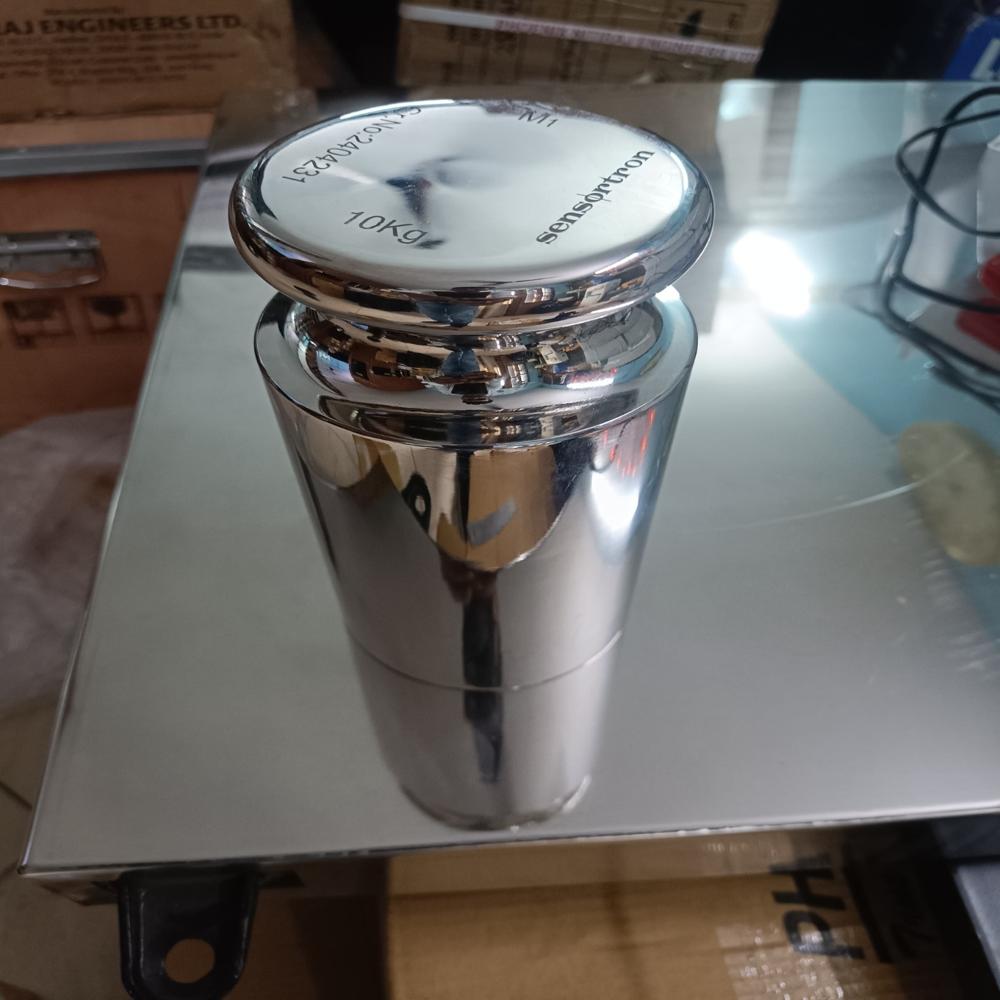
Steeless steel weights
Price 5000.0 INR / Piece
Minimum Order Quantity : 1 Piece
Measurement Range : 1 mg to 20 kg
Capacity : Up to 20 kg per individual weight
Range : 1 mg to 20 kg
Humidity % : Recommended less than 70%
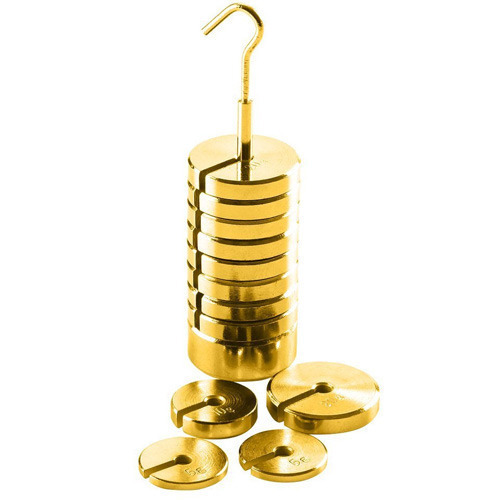
Hanger and Slotted Weights
Price 10000 INR / Unit
Minimum Order Quantity : 1 Unit
Measurement Range : 1 g to 500 g individual; up to 1000 g total with hanger
Capacity : Up to 1000 g (total set with hanger)
Range : 1 g to 500 g per weight (set varies)
Humidity % : Up to 90% noncondensing
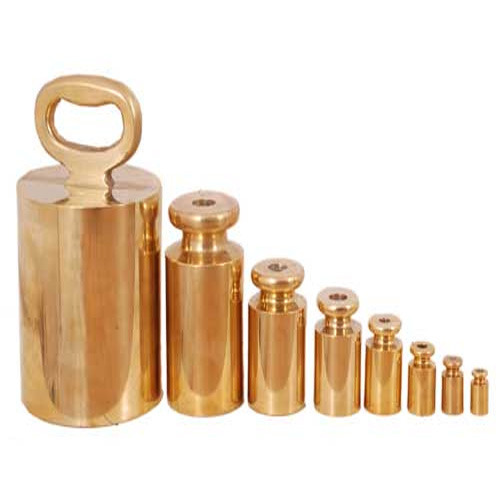
Brass Bullion Weight
Price 10000 INR / Unit
Minimum Order Quantity : 1 Unit
Measurement Range : Milligrams to Kilograms (According to Set)
Capacity : Depends on Set
Range : Specific Gram/Carat Increments
Humidity % : Standard Laboratory Conditions

GST : 07AGQPG8382B1Z8
 Send Inquiry



 |
SWASTIK SYSTEMS & SERVICES
All Rights Reserved.(Terms of Use) Developed and Managed by Infocom Network Private Limited. |
