
 English
 Spanish
 French
 German
 Italian
 Chinese (Simplified)
 Japanese
 Korean
 Arabic
 Portuguese


 Send Inquiry
Ceramic Hotplate Magnetic Stirrer
Price 42000 INR/ Number
Ceramic Hotplate Magnetic Stirrer Specification
- Classification
- Laboratory Instrument
- Application
- Chemical, Biological, and Research Laboratories
- Color
- White Top with Grey/Blue Housing
- Usage
- Mixing and heating liquids in laboratory applications
- Material
- Ceramic Top Plate with Chemical Resistant Body
- Voltage
- 220-240 V, 50/60 Hz
- Capacity
- Up to 5 Liters
- Operate Method
- Digital Control with Knobs
- Product Type
- labman
- Dimension (L*W*H)
- 300 x 190 x 126 Millimeter (mm)
- Weight
- 5kg Kilograms (kg)
- Power
- 500 W
- Accuracy
- ±1°C
- Display
- Digital LCD Display for temperature and speed
- Top Plate Size
- 180 x 180 mm
- Stirring Speed Range
- 200 to 2000 RPM
- Safety Features
- Overheating Protection, Hot Surface Indicator
- Heating Temperature Range
- Room temperature to 380°C
- Plug Type
- Standard European type
- Stir Bar Included
- Yes (PTFE Coated)
- Timer Function
- Yes
Ceramic Hotplate Magnetic Stirrer Trade Information
- Minimum Order Quantity
- 1 Number
- Supply Ability
- 2 Per Week
- Delivery Time
- 2 Week
About Ceramic Hotplate Magnetic Stirrer
Digital LCD display with back lightBig Size Ceramic hot plate with flame protection and durabilityHeating and stirring can proceed simultaneously.Temperature & Stirring speed is stepless adjusted.Real temperature & speed display on the screen simultaneouslyTwo sensors, outside PT 100 sensor controls the liquid temperature,inside K type sensor control the hot plate temperature (selectable)Over temperature alarmPrecision and Efficiency for Laboratory Applications
This magnetic stirrer provides accurate temperature control (1C) and speed, making it ideal for laboratories that require dependable and consistent results for mixing and heating tasks. Its digital LCD display lets users set and monitor stirring and heating parameters conveniently, ensuring optimal sample preparation in chemical, biological, or research environments.
Advanced Safety Features and Easy Operation
Designed with user safety in mind, this hotplate stirrer includes overheating protection, a hot surface indicator, and cool-touch housing to reduce risks during operation. Its digital control system with precise knobs and timer function makes process management both simple and reliable, giving users confidence when handling sensitive laboratory procedures.
Durable Construction and Versatile Usage
Featuring a chemical-resistant ceramic top plate in a sturdy, compact body, this device is built to withstand rigorous daily use. Suitable for mixing and heating up to 5 liters of liquids, it is an essential tool for dealers, distributors, exporters, and researchers seeking quality in laboratory instruments across India. Its versatility covers chemical, biological, and research settings.
FAQ's of Ceramic Hotplate Magnetic Stirrer:
Q: How do I operate the Ceramic Hotplate Magnetic Stirrer for mixing and heating liquids?
A: To use the stirrer, place the PTFE-coated stir bar into your container and set it on the ceramic top plate. Adjust the desired stirring speed (200-2000 RPM) and target heating temperature (up to 380C) using the digital knobs. The LCD display will show actual values, and the timer function lets you manage process duration.Q: What are the key safety features of this magnetic stirrer?
A: This instrument is equipped with multiple safety features, including overheating protection to prevent excessive temperatures, a hot surface indicator to alert users when the plate is still hot, and a chemical-resistant body that protects against corrosive spills.Q: When is it recommended to use the timer function on this hotplate stirrer?
A: The timer function is ideal when you require precise control over process duration, such as timed reactions, heating, or mixing cycles in laboratory protocols. Set the required time, and the device will automatically stop the process once the timer expires.Q: Where can this magnetic stirrer be used effectively?
A: This device is designed for use in chemical, biological, and research laboratories. Its robust build and accurate controls make it appropriate for educational institutions, industrial R&D labs, and testing facilities across various scientific disciplines.Q: What is the capacity and size suitable for laboratory use?
A: The hotplate stirrer can handle containers up to 5 liters and features a spacious 180 x 180 mm ceramic plate, making it versatile for both small- and medium-volume mixing or heating applications often encountered in laboratory settings.Q: How does the digital LCD display benefit laboratory processes?
A: The digital LCD display provides real-time feedback on stirring speed and temperature, allowing for precise adjustments and monitoring. This increases accuracy in experiments, minimizing errors and supporting better reproducibility of laboratory procedures.Q: What makes the ceramic top plate material advantageous in laboratory environments?
A: The ceramic top plate offers excellent chemical resistance and ensures uniform heating. It is easy to clean and durable, making it suited for the harsh conditions of frequent laboratory use, especially where exposure to reactive chemicals is common.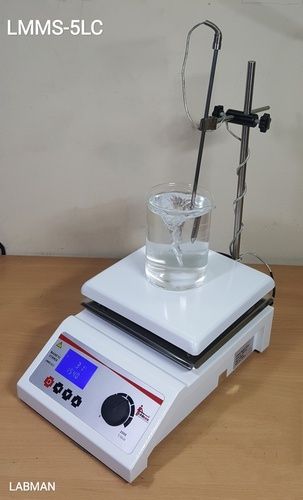

Price:
- 50
- 100
- 200
- 250
- 500
- 1000+

More Products in Scientific & Laboratory Instrument Category
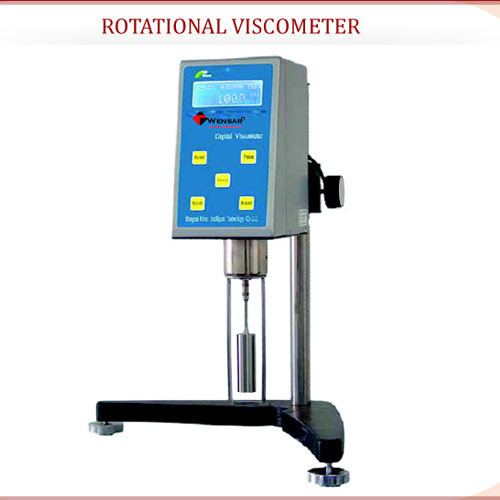
Labman Rotational Viscometer LMDV-60
Price 72000 INR / Unit
Minimum Order Quantity : 1 Unit
Product Type : Rotational Viscometer
Application : Laboratory, Research, Industrial Viscosity Testing
Usage : Measurement of viscosity of fluids
Power : 50 W
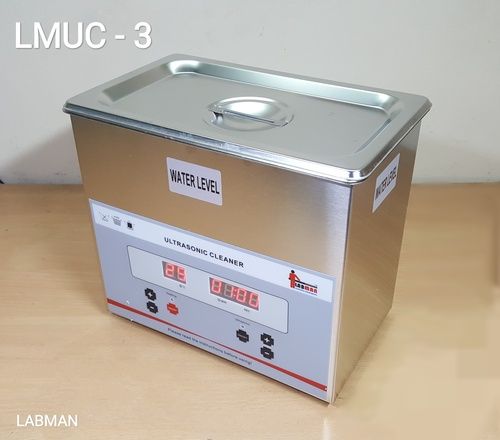
Stainless Steel Ultrasonic Cleaner
Price 48000 INR / Number
Minimum Order Quantity : 1 Number
Product Type : labman
Application : Cleaning jewelry, laboratory instruments, electronic components, dental, surgical instruments
Usage : Industrial and Laboratory cleaning
Power : 120 W
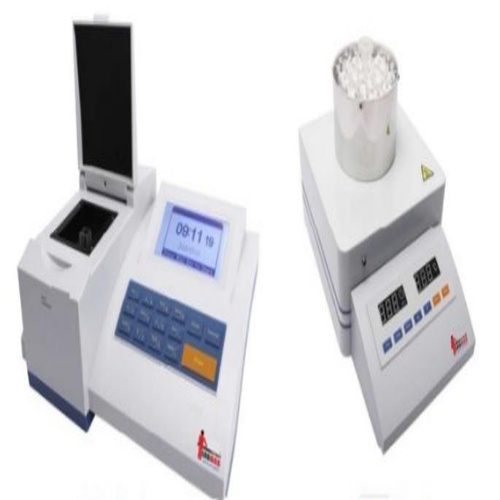
COD Analyzer
Price 200000.0 INR / Piece
Minimum Order Quantity : 1 Piece
Product Type : COD Analyzer
Application : Chemical Oxygen Demand
Usage : Water & Wastewater Testing
Power : 50 Watt (w)
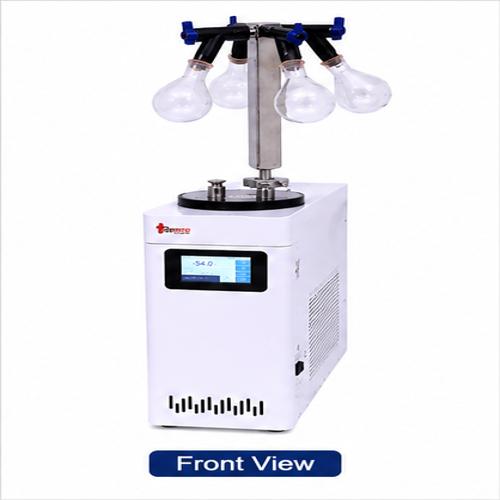
Mini Freeze Dryer LMFD160E
Price 184000.0 INR / Piece
Minimum Order Quantity : 1 Piece
Product Type : Benchtop Manifold Freeze Dryer
Application : Pharmaceutical Laboratories, Biotechnology Labs, Research Institutes, Food Testing, Chemical Laboratories
Usage : Freeze Drying and Sample Preservation
Power : 1000 Watt (w)

GST : 07AGQPG8382B1Z8
 Send Inquiry



 |
SWASTIK SYSTEMS & SERVICES
All Rights Reserved.(Terms of Use) Developed and Managed by Infocom Network Private Limited. |
