
 English
 Spanish
 French
 German
 Italian
 Chinese (Simplified)
 Japanese
 Korean
 Arabic
 Portuguese


 Send Inquiry
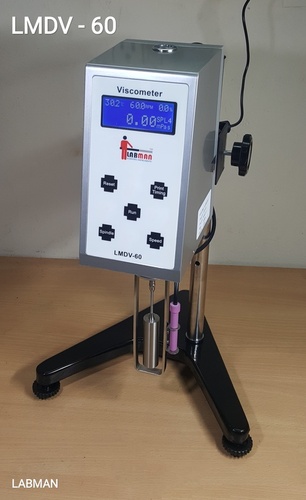
Labman Rotational Viscometer LMDV-60
Price 72000 INR/ Unit
Labman Rotational Viscometer LMDV-60 Specification
- Weight
- 8.5 kg
- Dimension (L*W*H)
- 475 x 380 x 330 mm
- Power
- 50 W
- Color
- White
- Voltage
- 220 V 10%, 50 Hz
- Usage
- Measurement of viscosity of fluids
- Application
- Laboratory, Research, Industrial Viscosity Testing
- Material
- Metal Body with Plastic Panel
- Capacity
- 10-2,000,000 mPas
- Product Type
- Rotational Viscometer
- Operate Method
- Digital Control with Touch Keys
- Classification
- Laboratory Instrument
- Model
- LMDV-60
- Accuracy
- ±1% of F.S.
- Speed Range
- 0.3 to 60 RPM (Selectable)
- Spindle Types
- Standard set of 4 spindles (No. 1-4)
- Temperature Display
- Yes (Sensor Optional)
- Display Type
- Large LCD Display
- Repeatability
- ±0.5% of F.S.
- Power Supply
- AC 220V/110V, 50/60Hz
- Protection
- Overload Protection
- Data Output
- RS232 Interface
- Auto Stop Function
- Yes
- Measuring Range
- 10~2,000,000 mPa·s
Labman Rotational Viscometer LMDV-60 Trade Information
- Minimum Order Quantity
- 1 Unit
- Payment Terms
- Letter of Credit (L/C), Letter of Credit at Sight (Sight L/C), Paypal, Cash Against Delivery (CAD), Cash in Advance (CID), Cheque
- Supply Ability
- 10 Units Per Month
- Delivery Time
- 3 Days
- Sample Available
- Yes
- Sample Policy
- Contact us for information regarding our sample policy
- Main Export Market(s)
- Australia, North America, Eastern Europe, Africa, Middle East, South America, Asia
- Main Domestic Market
- All India
About Labman Rotational Viscometer LMDV-60
Labman Rotational Viscometer LMDV-60
Approx Price: Rs 74,000 / Number
Minimum Order Quantity: 1 Number
Product Details:
| Power | Electric |
| Standard | ISO certified |
| Material | Steel |
| Display | Digital |
| Screen | LCD |
Digital Rotational Viscometer use the idea that the torque required to turn an object in a fluid is a function of the viscosity of that fluid. They measure the torque required to rotate a disk or bob in a fluid at a known speed.
DIGITAL ROTATIONAL VISCOMETER
STANDARD FEATURES
- Big Ultra Bright Backlight LCD Display
- Direct reading on Display
- Auto Range function
- Temperature display
- Printer & Computer Interface
- Data Logger Software (Optional)not applicable in WDV- 8
Digital Direct Reading Rotational Viscometer
Wensar WDV series is Rotational Digital Direct Reading Viscometer to measure absolute viscosity of Newton Liquids as well apparent viscosity of non Newton liquid featured by high flexibility reliable Test result, easy operation and good appearance.
Common Specifications
- Data Displayed
- Selected Speed
- Selected Spindle
- Viscosity Reading
- Torque Percentage
- Temperature
Advanced Display and Control
The large LCD display allows operators to easily monitor viscosity readings and operational parameters. The digital control interface with touch keys ensures intuitive setup and operation, reducing the risk of user error and enhancing workflow efficiency.
Versatile Viscosity Measurement
With a measuring range from 10 to 2,000,000 mPas and four standard spindles, the LMDV-60 can analyze fluids of varying thickness in laboratory, research, and industrial settings. The selectable speed between 0.3 and 60 RPM allows users to tailor measurements for optimal accuracy.
Reliable Operation and Safety Features
Auto stop functionality, overload protection, and high repeatability provide consistent, safe results during continuous testing. Optional temperature sensor allows for accurate adjustment and monitoring of temperature-dependent viscosity properties.
FAQs of Labman Rotational Viscometer LMDV-60:
Q: How do I set up and operate the Labman LMDV-60 Rotational Viscometer?
A: Simply connect the viscometer to a suitable AC power source (220V/110V, 50/60Hz), choose the appropriate spindle (No. 1-4) for your sample, and use the touch keys to set the desired speed. The large LCD display guides you through all operational steps for smooth and intuitive measurement.Q: What types of fluids can be measured using the LMDV-60 viscometer?
A: The LMDV-60 can measure fluids with viscosity ranging from 10 to 2,000,000 mPas. This includes oils, gels, creams, industrial lubricants, paints, and more, making it suitable for laboratory, research, and industrial applications.Q: When is it beneficial to use the optional temperature sensor feature?
A: The temperature sensor is advantageous when precise viscosity measurements are required under specific thermal conditions. It enables accurate temperature display and control, ensuring that temperature-dependent viscosity properties are accounted for during testing.Q: Where are Labman LMDV-60 viscometers commonly used in India?
A: This instrument is widely utilized in laboratories, research institutions, and industrial settings across India for viscosity testing, quality assurance, product development, and process monitoring by manufacturers, exporters, suppliers, and traders.Q: What process should be followed to ensure accurate viscosity measurements?
A: To achieve optimal results, select the correct spindle, adjust the speed appropriately, and ensure the sample is stable in temperature (especially when using the optional sensor). Regularly calibrate the device and use the auto stop function to maintain measurement precision and consistency.Q: How does the auto stop function benefit users during viscosity testing?
A: The auto stop feature halts the measurement process automatically upon completion or in case of overload, protecting the instrument and sample. This reduces the risk of data errors and extends the instruments operational life.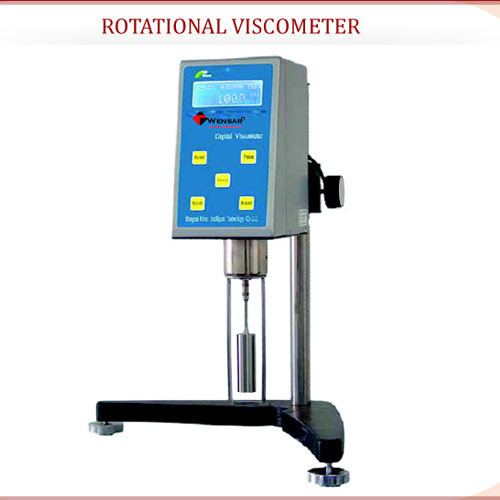

Price:
- 50
- 100
- 200
- 250
- 500
- 1000+

More Products in Scientific & Laboratory Instrument Category
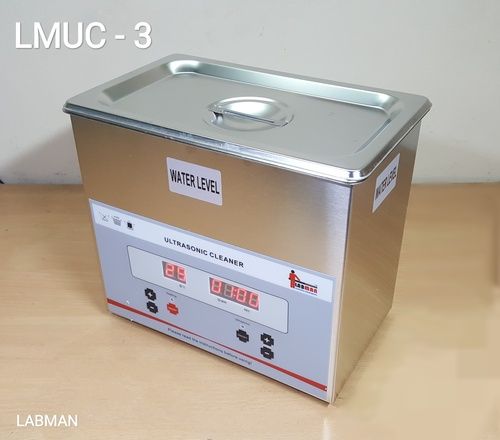
Digital stainless steel Ultrasonic Cleaner
Price 68000 INR / Number
Minimum Order Quantity : 1 Number
Dimension (L*W*H) : 550330360 Millimeter (mm)
Weight : 18 Kilograms (kg)
Color : white
Product Type : labman
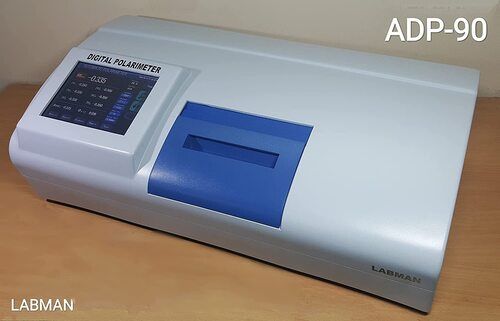
Automatic Digital Polarimeter ADP90
Price 380000 INR / Number
Minimum Order Quantity : 1 Number
Dimension (L*W*H) : 850 x 470 x 380 Millimeter (mm)
Weight : 35kg Kilograms (kg)
Color : white
Product Type : labman
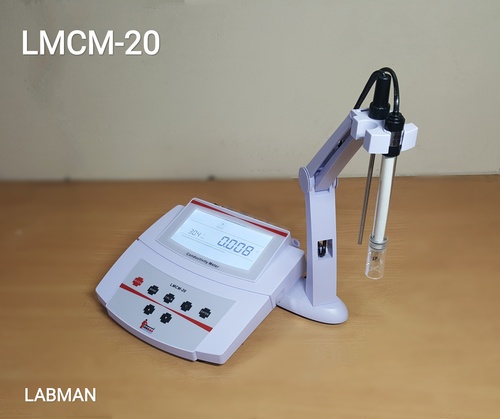
labman Conductivity Meter
Price 16500 INR / Number
Minimum Order Quantity : 1 Number
Dimension (L*W*H) : 210 205 75mm Millimeter (mm)
Weight : 2 Kilograms (kg)
Color : white
Product Type : labman
DIGITAL VISCOMETER LABMAN
Price 65000 INR / Number
Minimum Order Quantity : 1 Number
Dimension (L*W*H) : 400 x 350 x 360 Millimeter (mm)
Weight : 10 Kilograms (kg)
Color : white
Product Type : Digital Viscometer

GST : 07AGQPG8382B1Z8
 Send Inquiry



 |
SWASTIK SYSTEMS & SERVICES
All Rights Reserved.(Terms of Use) Developed and Managed by Infocom Network Private Limited. |
