
 English
 Spanish
 French
 German
 Italian
 Chinese (Simplified)
 Japanese
 Korean
 Arabic
 Portuguese



 Send Inquiry
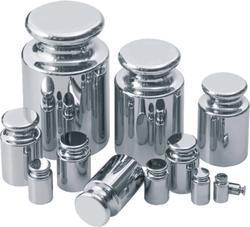
Standard Measuring Weights
Price 1500.0 INR/ Number
Standard Measuring Weights Specification
- IP Rating
- IP65 (Dust & Water Resistant)
- Features
- Corrosion Resistant, Non-Magnetic Property, Mirror Polished
- Automatic Grade
- Manual
- Function
- Calibration of weighing balances
- Power Source
- Manual
- Interface
- Physical
- Size
- 1 mg, 2 mg, 5 mg, 10 mg, 20 mg, 50 mg, 100 mg, 200 mg, 500 mg, 1 g, 2 g, 5 g, 10 g, 20 g, 50 g, 100 g, 200 g, 500 g, 1 kg, 2 kg, 5 kg, 10 kg, 20 kg
- Usage
- Calibration, Laboratory, Industrial, Research
- Application
- Calibration of precision balances, testing and adjustment of weights
- Product Type
- Digital
- Weighing Scale Type
- Other
- Material
- Stainless Steel
- Load
- Standard Class Weights
- Accuracy
- High Precision (Class F1/E1)
- Capacity Range
- 1 mg to 20 kg
- Color
- Silver
- Storage Condition
- Store in dry, dust-free environment
- Maintenance
- Periodic Cleaning Recommended
- Handling Instructions
- Pick with forceps/tweezers only
- Temperature Coefficient
- Stable from -10C to +40C
- Packaging Type
- Wooden/Fiber Box
- Surface Finish
- Mirror Polished
- Density
- Approx. 7.84 g/cm
- Shape
- Cylindrical with Knob
- Safety Compliance
- RoHS Compliant
Standard Measuring Weights Trade Information
- Minimum Order Quantity
- 1 Number
- Supply Ability
- 1 Number Per Week
- Delivery Time
- 2 Week
About Standard Measuring Weights
We are supplier/manufacturer of Fractional Weights suitable to industry needs.
Specifications
-
Available in the Sets of 12 Nos. and Single Weights as per customer requirements.
-
Fractional Weight Box includes Weights from 1 mg up to 500 mg.
-
Available for E1, E2, F1, F2 and M1 Class.
-
Calibrated from NABL Accredited Lab having ISO 17025:2005 Accreditation.
-
RRSL Calibration Facility Also Available for selected Class.
-
Calibration Certificates and the Laboratories are Internationally Valid and Acceptable.
-
All Weights according to OIML - R111 Standards.
-
Wire Form Available for E1, E2 and F1 Class.
Shapes Available
-
Triangle Shape for 1 mg, 10 mg and 100 mg Weight.
-
Square Shape for 2 mg, 20 mg and 200 mg Weight.
-
Pentagon Shape for 5 mg, 50 mg and 500 mg Weight.
High Precision and Durability
These standard measuring weights are manufactured to high accuracy standards (Class F1/E1), ensuring reliable calibration for precision balances and devices. The stainless steel construction delivers excellent resistance to corrosion and impacts, making the weights suitable for regular use in demanding laboratory or industrial environments. Their mirror-polished finish further protects against surface contamination and enables easy periodic cleaning.
Safe Handling and Secure Storage
To maintain accuracy and integrity, the weights should be handled only with forceps or tweezers, minimizing contamination and wear. Each weight is provided in a robust wooden or fiber box, ensuring protection against dust and environmental factors. Proper storage in a dry, dust-free environment with periodic cleaning will extend the service life and uphold measurement integrity.
Versatile Applications
These weights serve a broad range of calibration purposes, from laboratory research to industrial quality checks. Their wide capacity range (1 mg to 20 kg) and high precision make them ideal for a variety of testing, adjustment, and measurement tasks. They are utilized by manufacturers, suppliers, and traders across India, supporting reliable and traceable operations in calibration, distribution, and research.
FAQ's of Standard Measuring Weights:
Q: How should I handle Standard Measuring Weights to ensure accurate calibration results?
A: Always use forceps or tweezers when picking up the weights to prevent contamination and wear. Direct contact with fingers can leave residues, affecting precision and surface quality, so proper handling maintains measurement reliability.Q: What is the recommended process for maintaining these weights?
A: Periodic cleaning is suggested, utilizing lint-free cloths and suitable cleaning solutions to preserve the mirror-polished surface. Ensure the weights are completely dry before storing them back in their protective boxes to prevent corrosion or surface changes.Q: Where should I store the weights for optimal preservation?
A: Store the weights in their provided wooden or fiber box within a dry, dust-free environment. Avoid exposure to humidity or chemicals, as this can impact the surface finish and potentially alter weight accuracy over time.Q: When is it necessary to recalibrate or check the weights for accuracy?
A: Weights should be checked and recalibrated periodically, especially after frequent use or exposure to adverse conditions. Regular verification helps maintain their Class F1/E1 precision and supports compliance in calibration processes.Q: What are the main benefits of using these standard weights?
A: These weights offer reliable high precision, corrosion resistance, and stable performance across a temperature range of -10C to +40C. Their non-magnetic properties and strict accuracy standards ensure dependable results for all calibration tasks.Q: Can these weights be used in environments with dust or moisture?
A: Yes, the weights feature an IP65 rating, making them resistant to dust and water ingress. However, for maximum longevity and precision, storing and using them in controlled, clean environments is advisable.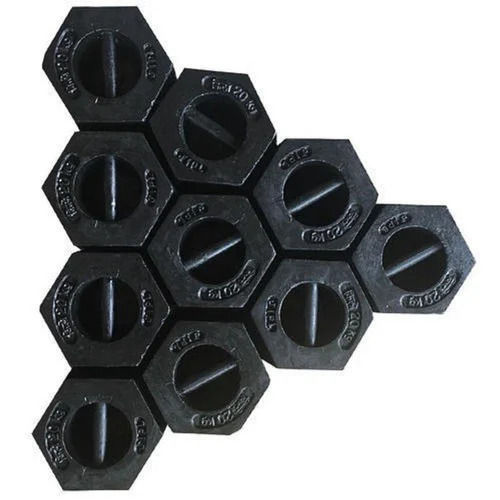

Price:
- 50
- 100
- 200
- 250
- 500
- 1000+

More Products in Precision Weights Category
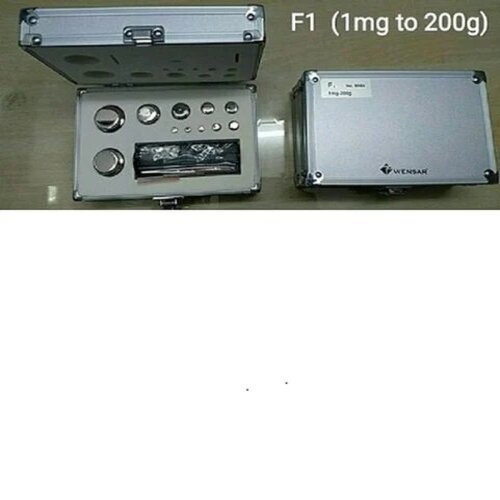
wooden calibration weight box
Price 12500.0 INR / Number
Minimum Order Quantity : 1 Number
Material : Other, Wooden Box with Stainless Steel/Brass Weights
Weighing Scale Type : Other, Standard Calibration Weights
Color : Natural Wood Finish
Product Type : Calibration Weight Box
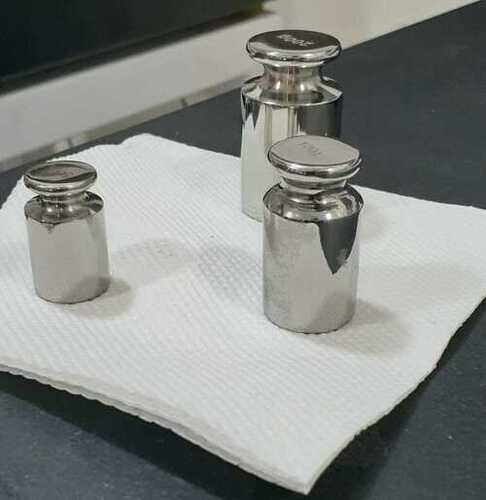
Stainless Steel Weights
Price 10000 INR
Minimum Order Quantity : 1 Kilograms
Material : Other
Weighing Scale Type : Laboratory Balance
Color : Silver
Product Type : Stainless Steel Weights
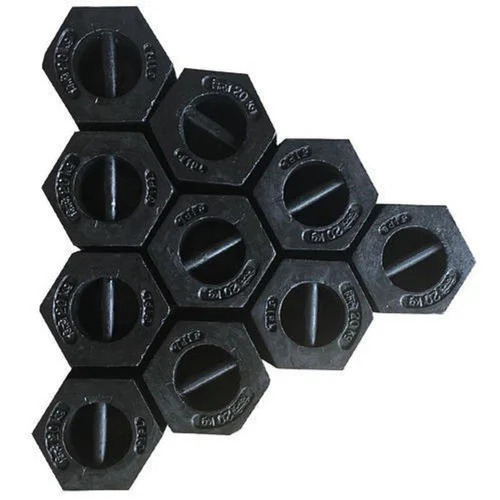
Mirror Finish Metric Weights
Price 1600 INR / Number
Minimum Order Quantity : 10
Material : Other, Stainless Steel
Weighing Scale Type : Other, Metric Weights
Color : Mirror Polished Silver
Product Type : Mirror Finish Metric Weights
Accredited Laboratory Weights
Price 15000 INR / Unit
Minimum Order Quantity : 1 Unit
Material : Other
Weighing Scale Type : Laboratory Balance
Color : Silver (Metallic Finish)
Product Type : Accredited Laboratory Weights

GST : 07AGQPG8382B1Z8
 Send Inquiry




 |
SWASTIK SYSTEMS & SERVICES
All Rights Reserved.(Terms of Use) Developed and Managed by Infocom Network Private Limited. |
