
 English
 Spanish
 French
 German
 Italian
 Chinese (Simplified)
 Japanese
 Korean
 Arabic
 Portuguese



 Send Inquiry
Accredited Laboratory Weights
Price 15000 INR/ Unit
Accredited Laboratory Weights Specification
- Function
- Calibration and Testing
- Usage
- Laboratory Calibration and Reference
- Features
- High Precision, Mirror Polish, Individually Marked, Calibration Certificate
- Application
- Calibration of Analytical Balances, Industrial Scales, Laboratory Use
- Automatic Grade
- Manual
- Size
- Various: 1 mg, 2 mg, 5 mg, 10 mg, 20 mg, 50 mg, 100 mg, 200 mg, 500 mg, 1 g, 2 g, 5 g, 10 g, 20 g, 50 g, 100 g, 200 g, 500 g, 1 kg, 2 kg, 5 kg, 10 kg, 20 kg
- Product Type
- Accredited Laboratory Weights
- Weighing Scale Type
- Laboratory Balance
- Material
- Other
- Power Supply
- 220V
- Monitor Display
- Analog
- Load
- Up to 20 kg
- Accuracy
- Class E1, E2, F1, F2 (per OIML Standards)
- Capacity Range
- 1 mg to 20 kg
- Color
- Silver (Metallic Finish)
- Shape
- Cylindrical, with Knob/Flat Top
- Surface Roughness
- Ra 0.8 m
- Magnetic Susceptibility
- <0.5
- Storage Conditions
- Recommended: Cool, Dry Place
- Finish
- Mirror Polish
- Marking
- Laser Engraved Identification
- Packaging
- Supplied in Protective Box or Case
- Density
- Approx. 7.90 g/cm
- Construction
- One-piece Fabrication
- Service
- Periodic Recalibration Available
Accredited Laboratory Weights Trade Information
- Minimum Order Quantity
- 1 Unit
- Supply Ability
- 100 Units Per Week
- Delivery Time
- 1 Week
About Accredited Laboratory Weights
Accredited Laboratory Weights
Accredited Laboratory Weights offered comprises balance calibration weight and find suitability for testing balance and scales. These weights come developed using non-magnetism stainless steel/304# construction finish and are of class E2/F1/F2/M1. Some of its features include made available in different densities; coming in ABS/aluminum box package; magnetic susceptibility of <0.005; single piece construction finish; cylindrical shape; mirror polish finish and others.
Exceptional Construction and Finish
Each laboratory weight features a mirror polish and one-piece fabrication, ensuring both aesthetic appeal and optimal performance. The meticulous surface finish (Ra 0.8 m) significantly reduces contamination risks, while the solid build enhances durability and resistance to external impacts. These features make them suitable for demanding laboratory environments requiring the utmost precision.
Versatile Applications Across Industries
Designed for calibration of analytical balances, industrial scales, and laboratory use, these weights provide accuracy and reliability across diverse applications. Whether in research, quality control, or calibration laboratories, they meet stringent demands and comply with OIML standards. Their wide capacity range makes them ideal for various specifications, supporting both micro and macro measurements seamlessly.
FAQ's of Accredited Laboratory Weights:
Q: How should accredited laboratory weights be stored to maintain accuracy?
A: Laboratory weights should be stored in the provided protective box or case and kept in a cool, dry place to prevent corrosion and contamination. Proper storage ensures the weights retain their calibrated accuracy and extend their operational lifespan.Q: What is the process for recalibrating these laboratory weights?
A: Periodic recalibration involves comparing the laboratory weight against a standard reference under controlled conditions. This service can be availed through accredited calibration laboratories, ensuring the weights maintain compliance with OIML Class E1, E2, F1, or F2 accuracy requirements.Q: When is it necessary to recalibrate accredited laboratory weights?
A: It is recommended to recalibrate weights annually or whenever they are subjected to intensive use, noticeable handling, or after any impact. Regular checks help guarantee ongoing precision in measurements and compliance with laboratory standards.Q: Where can these weights be used, and for what applications?
A: These weights are suitable for calibration and testing in analytical laboratories, industrial scale verification, educational institutions, and quality control units. Their high precision and adherence to OIML standards allow them to serve diverse calibration and reference purposes across multiple industries in India.Q: What are the benefits of using mirror-polished, one-piece laboratory weights?
A: The mirror polish finish combined with one-piece fabrication minimizes the risk of contamination and increases mechanical stability. This design ensures consistent accuracy, easy cleaning, and longer usable life, making them ideal for sensitive calibration tasks.Q: How does the laser-engraved identification aid users?
A: Laser-engraved identification allows for quick and clear recognition of each weight, reducing errors during usage and inventory. This permanent marking method also withstands routine handling, maintaining legibility over time.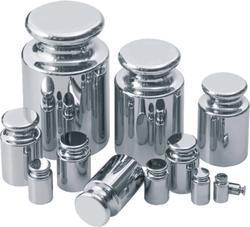

Price:
- 50
- 100
- 200
- 250
- 500
- 1000+

More Products in Precision Weights Category
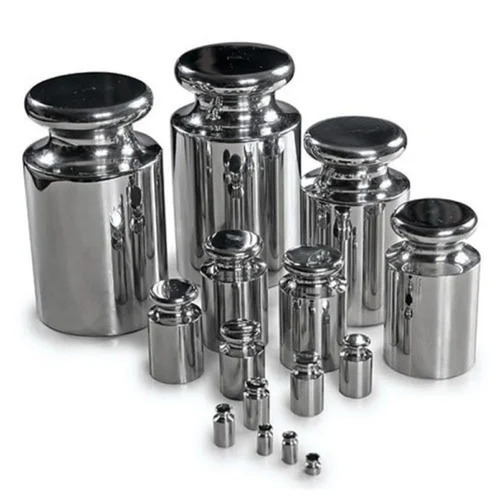
E2 Class Calibration Weight
Price 50000 INR / Number
Minimum Order Quantity : 1 Number
Color : Silver
Material : Other, Stainless Steel
Weighing Scale Type : Other, Calibration Weight
Load : Up to classdefined limits
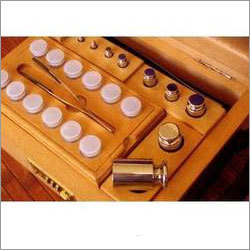
Precision Weights
Price 15000 INR / Unit
Minimum Order Quantity : 1 Unit
Color : Silver
Material : Other
Weighing Scale Type : Laboratory Balance
Load : 50 mg to 1 kg
Mirror Finish Metric Weights
Price 1600 INR / Number
Minimum Order Quantity : 10
Color : Mirror Polished Silver
Material : Other, Stainless Steel
Weighing Scale Type : Other, Metric Weights
Load : Varies as per Individual Weight
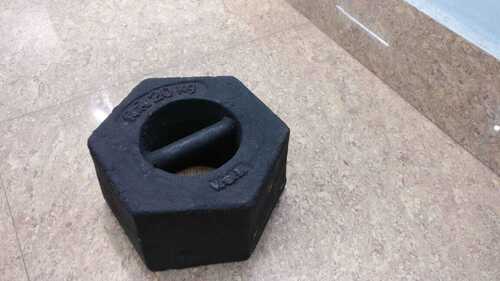
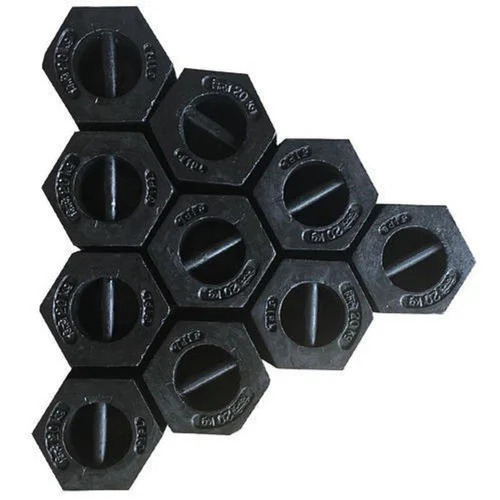
Black Measuring Weights
Price 1600 INR / Number
Minimum Order Quantity : 20
Color : Black
Material : Other, Cast Iron
Weighing Scale Type : Other, Standard Weighing Weights
Load : 1 kg to 20 kg (varies with piece)

GST : 07AGQPG8382B1Z8
 Send Inquiry




 |
SWASTIK SYSTEMS & SERVICES
All Rights Reserved.(Terms of Use) Developed and Managed by Infocom Network Private Limited. |
