
 English
 Spanish
 French
 German
 Italian
 Chinese (Simplified)
 Japanese
 Korean
 Arabic
 Portuguese


 Send Inquiry
Medium Accuracy Weights
Price 10000 INR/ Unit
Medium Accuracy Weights Specification
- Humidity %
- Suitable for standard laboratory conditions
- Measurement Range
- 1 mg to 5 kg
- Capacity
- Up to 5 kg
- Temperature Range
- Ambient, typically 0°C to 50°C
- Equipment Type
- Medium Accuracy Weights
- Material
- Brass, Stainless Steel, Mild Steel (as per denomination)
- Product Type
- Measuring Weights
- Accuracy
- Medium Accuracy
- Range
- 1 mg to 5 kg (various denominations available)
- Marking
- Nominal Value & Class Indicated on Each Weight
- Finish
- Polished / Painted (Cast Iron), Mirror or Matt (Stainless Steel)
- Ideal For
- General Laboratory, Industrial, and Educational Use
- Shape
- Cylindrical (Weights up to 10 kg), Slotted or Hexagonal (Above 10 kg)
- Packaging
- Supplied in Wooden or Plastic Box with Individual Slots
- Standard Conformity
- OIML R111, Class M1
Medium Accuracy Weights Trade Information
- Minimum Order Quantity
- 1 , , Unit
- Supply Ability
- 10 Units Per Month
- Delivery Time
- 2-3 Days
About Medium Accuracy Weights
Medium Accuracy WeightsSpecifications:
- Stainless steel material finish
- Available in density of 7.90kg/dm3 and magnetic susceptibility of <0.5
- Available with cavity for adjustment
- Can be made available in flake and cylinder shape options
- Mirror polish smooth construction finish
- Available in class of F1
Engineered for Versatility and Precision
These medium accuracy weights meet the stringent OIML R111 standard (Class M1), making them suitable for laboratories, industry, and academic environments. Their robust construction and adherence to global standards ensure that they deliver consistent results across various general weighing procedures. Supplied in practical boxes, they offer durability and security during transportation and storage.
Durable Materials and Professional Finish
Depending on denomination, the weights are made from top-grade brass, stainless steel, or mild steel, with finisheswhether polished, painted, mirror, or mattthat suit different user needs and preferences. Each weight is clearly engraved with both its nominal value and class for straightforward recognition and compliance with standard practices.
FAQs of Medium Accuracy Weights:
Q: How should I use medium accuracy weights for calibrating laboratory balances?
A: To calibrate laboratory balances, select the required denomination from the supplied set and gently place the weight on the balance pan. Ensure the environment is within the ambient temperature range (0C to 50C) and standard humidity levels for best results. Handle weights with clean gloves to prevent contamination and maintain their accuracy.Q: What benefits do OIML R111 Class M1 weights offer for industrial and educational applications?
A: These weights provide a balanced accuracy level ideal for general laboratory, industrial, and educational applications. Their compliance with OIML R111 Class M1 ensures measurements meet international standards, supporting reliable training, research, and production processes.Q: When should I choose cylindrical versus slotted or hexagonal weights?
A: Use cylindrical weights for applications involving weights up to 10 kg, as they are easier to handle for moderate mass values. For denominations above 10 kg, slotted or hexagonal weights offer enhanced grip and facilitate safe stacking or lifting in heavier industrial tasks.Q: Where can these weights be effectively deployed for calibration or testing?
A: Medium accuracy weights are ideal for general laboratory use, production facilities, educational institutions, and settings that require periodic calibration or routine verification of weighing equipment within the specified 1 mg to 5 kg range.Q: What materials are used in the manufacturing process, and how are they chosen?
A: Brass, stainless steel, and mild steel are utilized based on the denomination, selected for optimal durability, corrosion resistance, and mass stability. The material choice ensures long-lasting precision in various operational environments.Q: How are the weights packaged to ensure safety and longevity?
A: Each set is supplied in either a robust wooden or plastic box, with custom individual slots for every weight. This specialized packaging prevents scratches, dust, and physical damage during transport or storage.Q: What markings can I expect on each weight, and why are they important?
A: Every weight is inscribed with its nominal value and class (M1) to guarantee straightforward identification and full compliance with calibration procedures or audits.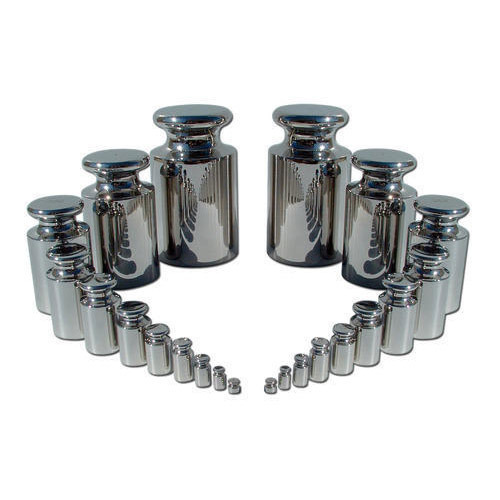

Price:
- 50
- 100
- 200
- 250
- 500
- 1000+

More Products in Measuring Weights Category
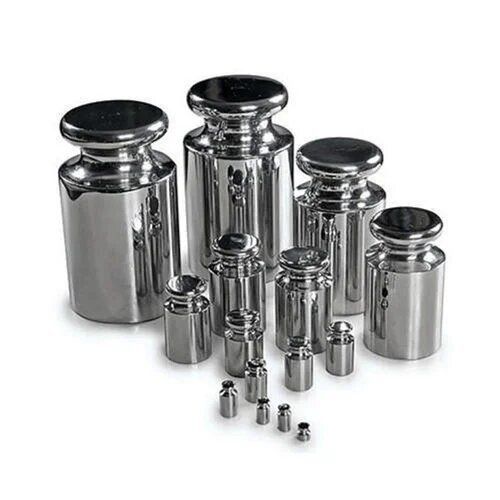
Calibration Analytical Weights
Price 15000 INR / Number
Minimum Order Quantity : 1 Number
Material : Stainless Steel
Measurement Range : 1 mg to 500 g
Capacity : 500 g (maximum weight in set)
Humidity % : Recommended below 65% RH
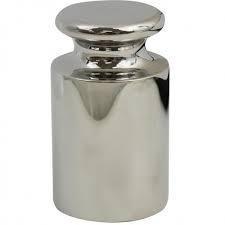
Analytical Balance Weight
Price 15000 INR / Unit
Minimum Order Quantity : 1 Unit
Material : Stianless Steel
Measurement Range : 1 mg to 200 g
Capacity : Complete weight set up to 200 g
Humidity % : < 70% RH recommended for use and storage
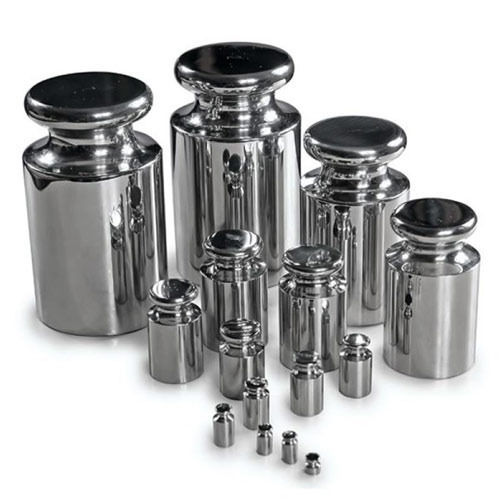
Analytical Weights
Price 10000 INR / Unit
Minimum Order Quantity : 1 Unit
Material : Polished Stainless Steel
Measurement Range : 1 mg to 200 g
Capacity : 200 g maximum
Humidity % : < 85% RH, noncondensing
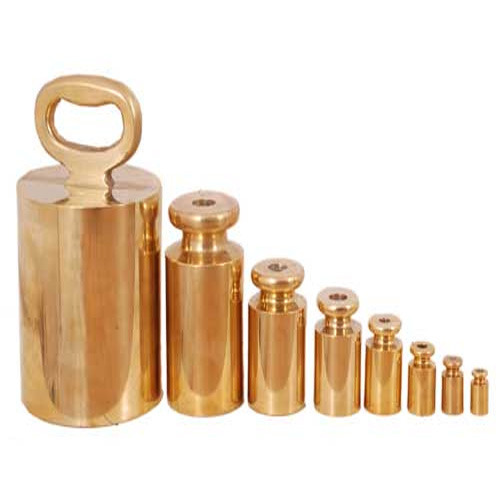
Brass Bullion Weight
Price 10000 INR / Unit
Minimum Order Quantity : 1 Unit
Material : Brass
Measurement Range : Milligrams to Kilograms (According to Set)
Capacity : Depends on Set
Humidity % : Standard Laboratory Conditions

GST : 07AGQPG8382B1Z8
 Send Inquiry



 |
SWASTIK SYSTEMS & SERVICES
All Rights Reserved.(Terms of Use) Developed and Managed by Infocom Network Private Limited. |
