
 English
 Spanish
 French
 German
 Italian
 Chinese (Simplified)
 Japanese
 Korean
 Arabic
 Portuguese


 Send Inquiry
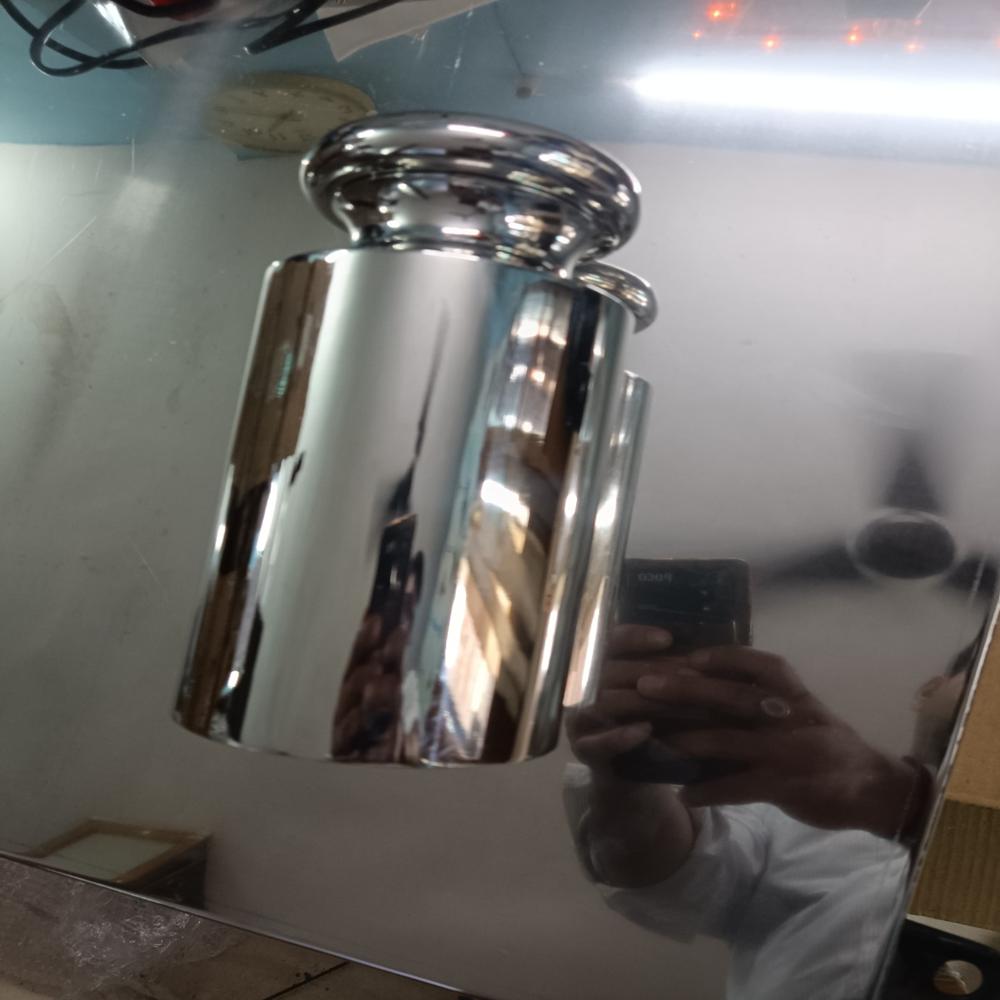
Steeless steel weights
Price 5000.0 INR/ Piece
Steeless steel weights Specification
- Temperature Range
- Recommended use at 15C to 30C for stability
- Protection
- Corrosion-resistant finish
- Capacity
- Up to 20 kg per individual weight
- Application Media
- Calibration of balances and scales, laboratory testing
- Humidity %
- Recommended less than 70%
- Diameter
- Varies as per capacity; precision turned and polished
- Measurement Range
- 1 mg to 20 kg
- Equipment Type
- Standard Weights / Reference Weights
- Usage
- Laboratry / pharama/ calibration
- Material
- ss
- Weight
- 5 kg Kilograms (kg)
- Accuracy
- Class E1, E2, F1, F2, M1, M2, or as per OIML Standards
- Color
- mirror finish silver
- Range
- 1 mg to 20 kg
- Shape
- Cylindrical and knobbed weights available
- Density
- Approximately 8.0 g/cm3
- Marking
- Laser engraved nominal value and class
- Use Environment
- Intended for laboratory and calibration rooms
- Magnetic Susceptibility
- Low, as per class requirements
- Packaging
- Supplied in protective plastic or wooden cases
- Finish
- Highly polished mirror finish
Steeless steel weights Trade Information
- Minimum Order Quantity
- 1 Piece
- Supply Ability
- 500 Pieces Per Month
- Delivery Time
- 7 Days
About Steeless steel weights
Stainless Steel (SS) M1 class weights are high-precision, OIML R111 compliant weights typically used for calibrating medium-accuracy industrial scales and laboratory balances. Made of high-grade, corrosion-resistant austenitic stainless steel (e.g., SS304/SS316), they feature a density of
- Standards: Comply with OIML R111-1 specifications.
- Material: High-grade Austenitic Stainless Steel (SS304, SS316, or 306).
- Density: Generally within the range of
- Shapes:
- 1 mg 500 mg: Sheet/Wire type (triangular, square, pentagon).
- 1 g 50 kg: Cylindrical knob type.
- Magnetic Susceptibility Very low to ensure minimal magnetic interference.
- Surface Finish: Mirror-polished or Satin (matte) finish.
- Nominal Values: Available from to
- Applications: Calibration of weighing machines (20 kg), industrial scales, and general lab use.
- Certification: Available with NABL traceable calibration certificates, conforming to ISO 17025.
Precision Accuracy for Critical Measurements
Designed with strict adherence to international OIML standards, our steeless steel weights deliver reliable accuracy for demanding calibration environments. Available in classes from E1 to M2, they are ideal for laboratories, calibration rooms, and pharmaceutical settings requiring high confidence in measurement results. Each piece undergoes precision turning and polishing to create consistent, dependable reference standards.
Built to Last with Mirror-Finish Protection
These weights feature a mirror-finished surface, providing superior corrosion resistance and easy maintenance. The stainless steel material ensures long-term durability in humidity-controlled environments. Protective cases-either plastic or wooden-further safeguard the weights during transport and storage, helping to preserve their integrity and extend their lifespan.
FAQ's of Steeless steel weights:
Q: How are steeless steel weights used in laboratory and calibration applications?
A: Steeless steel weights are primarily used to calibrate balances and scales in laboratory, pharmaceutical, and calibration room settings. Their high accuracy classes and precise manufacturing make them suitable for reference standards in sensitive measurement tasks.Q: What is the process for choosing the correct class and weight for my application?
A: Select the accuracy class (E1, E2, F1, F2, M1, or M2) based on the calibration tolerance required for your equipment. Use the desired weight value within the range of 1 mg to 20 kg, ensuring it meets your balance or scale specifications and the intended use environment.Q: When should these weights be recalibrated or verified?
A: Weights should be recalibrated periodically, depending on usage frequency and regulatory guidelines. Most laboratories recalibrate annually or after any incident that may affect weight integrity, such as dropping or exposure to corrosive substances.Q: Where should steeless steel weights be stored to maintain accuracy?
A: Always store these weights in their provided protective cases, within laboratory environments maintained at 15C to 30C and humidity less than 70%. This helps preserve their mirror finish and prevents contamination or corrosion.Q: What are the benefits of the mirror-polished finish and corrosion-resistant design?
A: The highly polished mirror finish minimizes surface contamination and simplifies cleaning, while the stainless steel material resists corrosion. This ensures consistent accuracy over time and reduces maintenance requirements.Q: How are weights marked for identification and traceability?
A: Each weight is laser engraved with its nominal value and class, allowing for clear identification, traceability, and audit compliance in regulated applications.Q: Can these weights be used in humid environments or for outdoor calibration?
A: For optimal performance and to maintain accuracy, it is recommended to use these weights in controlled environments with humidity below 70% and temperatures between 15C and 30C. They are not intended for outdoor or excessively humid conditions.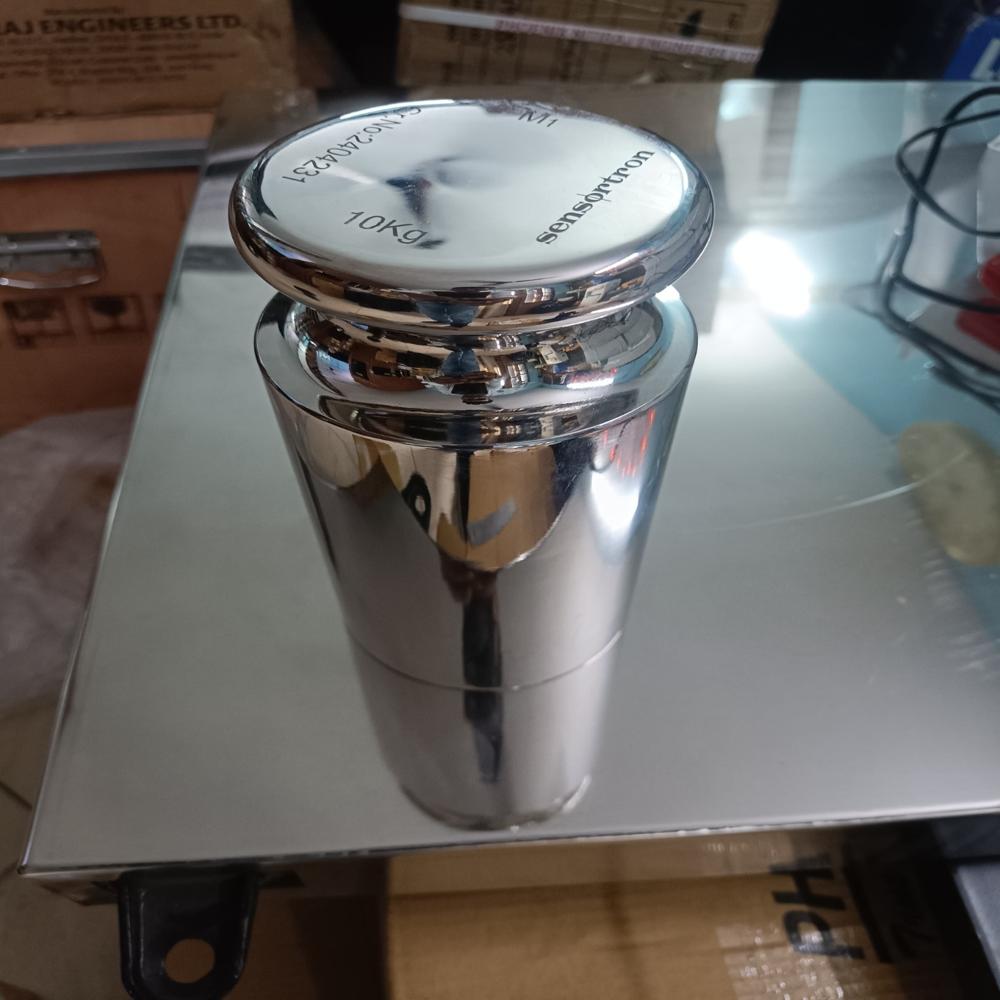

Price:
- 50
- 100
- 200
- 250
- 500
- 1000+

More Products in Measuring Weights Category
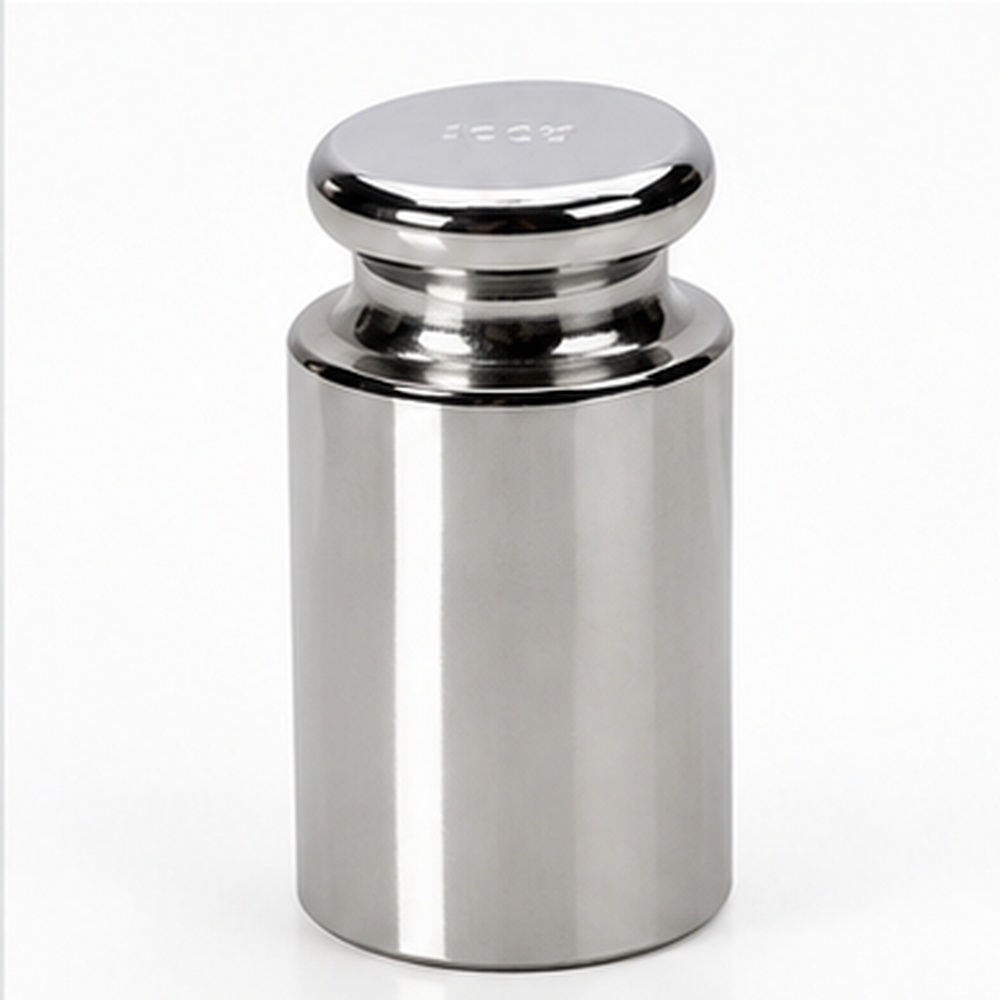
SS Calibration Weight Box E1 E2
Price 0.00 INR / Piece
Minimum Order Quantity : 1 Piece
Range : 1kg
Accuracy : E1 / E2
Material : Stainless Steel
Application Media : Laboratory Calibration
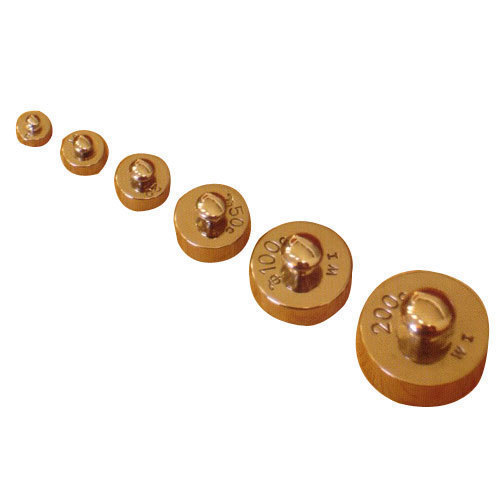
Carat Weights
Price 10000 INR / Unit
Minimum Order Quantity : 1 Unit
Range : 0.01g to 60g
Accuracy : 0.01 g
Material : ABS Body
Application Media : Weighing Gems, Carat, Jewellery
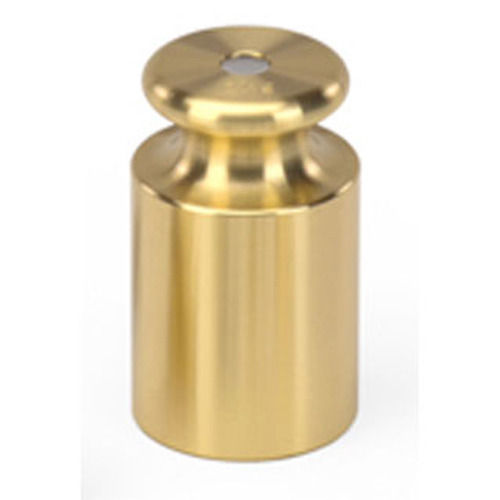
Brass Flat Cylindrical Weights
Price 10000 INR / Unit
Minimum Order Quantity : 1 , , Unit
Range : 1 mg to 500 g (varies as per set)
Accuracy : Class F1, E1 as per OIML R111
Material : Brass
Application Media : Calibration, laboratory, standard weights
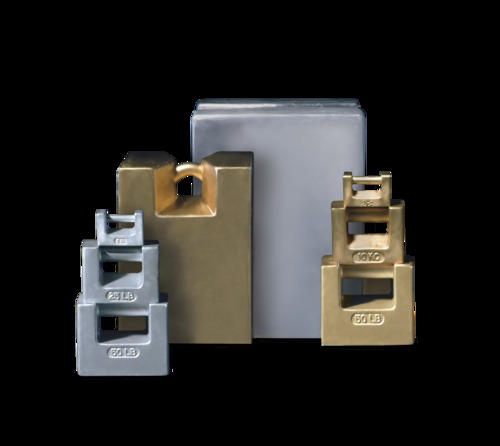
Calibration Weight
Price 10000 INR / Unit
Minimum Order Quantity : 1 Unit
Range : 1 mg to 20 kg
Accuracy : Class M1, F1 or as per OIML standards
Material : Nonmagnetism stainless steel
Application Media : Calibration of weighing balances and scales

GST : 07AGQPG8382B1Z8
 Send Inquiry



 |
SWASTIK SYSTEMS & SERVICES
All Rights Reserved.(Terms of Use) Developed and Managed by Infocom Network Private Limited. |
